
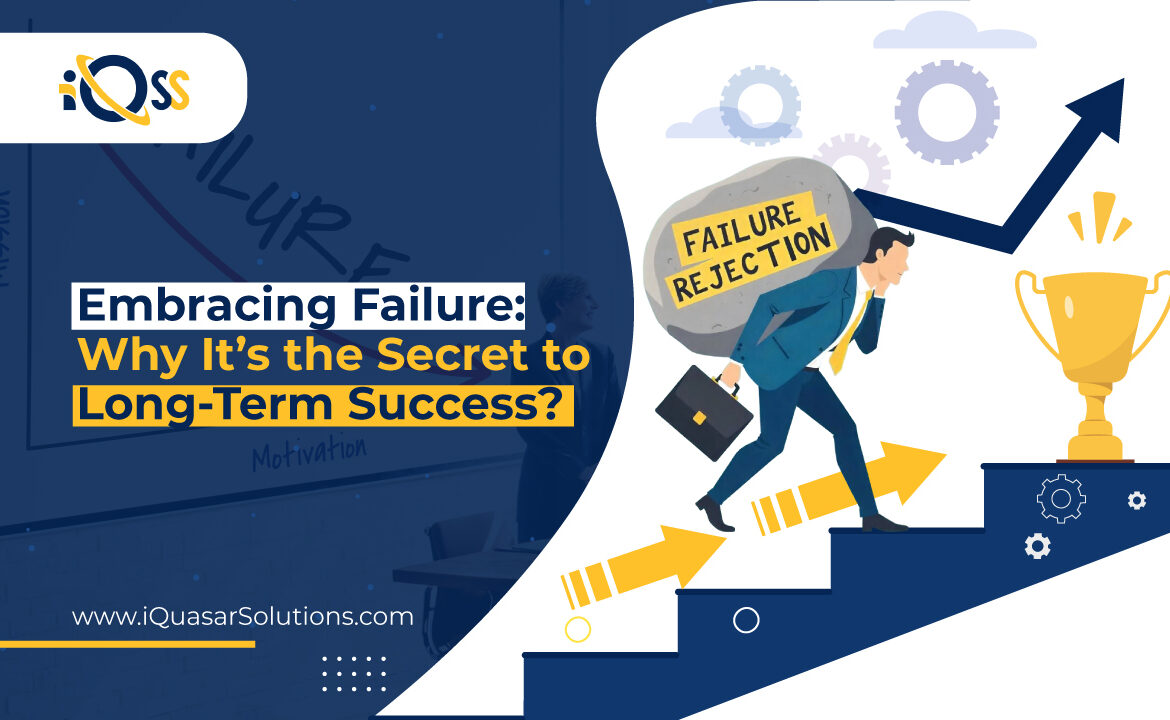
Failure – We all dread it. That sinking feeling in your stomach when something goes wrong, a project tanks, or a dream doesn’t pan out. Failure. It’s often seen as the end; definitive stop signs on the road to success. But what if we told you, it’s actually the starting point?
In a society that celebrates perpetual success, failure is frequently perceived as a flaw. Society celebrates perpetual success due to the constant pressure from social media to appear flawless and accomplished, reinforced by cultural narratives that equate self-worth with achievement and visibility. This creates a cycle where only triumphs are showcased, while struggles are hidden or stigmatized. Nevertheless, upon closer examination, one will discover that most success narratives are fundamentally constructed on a base of challenges, errors, and perseverance. Let us delve into how to transform your perspective, overcome fear, and harness failure as a catalyst for enduring success.
How Embracing Failure Leads to Growth
Rather than perceiving failure as a conclusion, consider it an opportunity for a new beginning. Here’s how embracing failure as a steppingstone can transform your life:
- Failure fuels learning and growth
Failure serves as one of life’s most significant educators. Think about the time a project failed. Instead of just shrugging it off, you likely dissected what went wrong, from miscommunication to a flawed strategy. This immediate, often uncomfortable reflection is where real learning happens. In contrast to success, which may occasionally obscure underlying issues or be attributed to fortunate circumstances, failure lays bare reality. It brings to light our blind spots, exposes our weaknesses, and identifies areas requiring enhancement. This newfound clarity is what propels genuine growth. Thus, failure transforms from being a mere obstacle into a powerful catalyst for ongoing learning and personal development.
- Failure builds resilience
Success is not defined by the absence of failure; rather, it is about the ability to rise after each fall. Gaining insights from failure strengthens your resolve, which is crucial for attaining enduring success. By persevering through difficulties, you cultivate mental resilience that equips you for greater obstacles ahead. Individuals who demonstrate resilience do not surrender; they adjust, alter their path, and continue to advance. Many of the world’s most celebrated figures reached greatness only after enduring significant failures. J.K. Rowling was a single mother living on welfare when her Harry Potter manuscript was rejected by multiple publishers. Walt Disney was once fired from a newspaper job for “lacking imagination” and faced several failed ventures before founding his entertainment empire. These stories challenge the curated images of instant success we often see online, reminding us that setbacks are not signs of weakness but essential steps on the path to meaningful achievement.
- Failure ignites innovation
Failure frequently serves as the catalyst for innovation. When concepts do not unfold as anticipated, they compel us to reconsider, adjust, and investigate new opportunities. This cycle of experimentation and correction results in discoveries that might otherwise go unnoticed. Think of Edison’s thousands of attempts before the light bulb, or the numerous failed drug trials that eventually led to life-saving medicines. By accepting failure, you foster a setting in which risk-taking and experimentation are not merely tolerated but actively promoted. This environment serves as a catalyst for creativity and innovation.
How to Embrace Failure Instead of Fearing It
Now that we understand how failure can actually help us grow, how can we start thinking differently about it? Here are some easy, practical steps to help you accept failure and learn from it:
1. Transform failure into a learning opportunity
Failure is often seen as a setback, but it can help us grow personally and professionally—if we have the right mindset. Here are some points to transform failure into a learning opportunity:
- Reflection: To learn from failure, it’s important to think about what went wrong, what caused it, and what can be improved. Taking time to reflect helps us understand our mistakes and see where we need to grow.
- Seeking Feedback: Getting feedback from mentors, peers, or colleagues can also give us new insights we might miss on our own. Having a growth mindset is key. When we see challenges as chances to learn, rather than as problems we can’t overcome, we become more flexible and stronger learning from failure. We can set clear, realistic goals based on those lessons. cch
- Goal Setting: Breaking goals into small, manageable steps helps us move forward with confidence. In the end, when we accept failure as part of learning, we give ourselves the power to grow and try new things.
2. Don’t tie your self-worth to your failures
Your self-worth is inherent and not dependent on external accomplishments or failures. When you associate your value with success, each setback can feel like a personal condemnation, resulting in lower self-esteem and heightened anxiety. In contrast, understanding that you possess intrinsic value, irrespective of results, nurtures resilience and self-compassion. This viewpoint enables you to perceive failures as chances for development instead of reflections on your identity. By engaging in self-acceptance and confronting negative self-talk, you can foster a more positive self-image that remains unaffected by the ups and downs of achievements and disappointments. Keep in mind that your worth is determined not by your actions but by your essence. Adopting this perspective empowers you to face challenges with assurance and poise.
3. Take risks and venture out of your comfort zone
If big risks feel overwhelming, start small, even the tiniest step outside your comfort zone is still progress. Many individuals are so apprehensive about failure that they consistently opt for safety. However, remaining within your comfort zone will not facilitate your success. In order to develop, it is essential to venture beyond your familiar surroundings and embrace some risks. Pursue that ideal job, even if you fear receiving a rejection. Initiate that business, even if the outcome is uncertain. Express your thoughts, take initiative, and do not allow fear to hinder your progress. When you begin to view failure as a steppingstone rather than an obstacle, you become invincible.
4. Celebrate the Little Wins and Progress
Success isn’t a sprint; it’s more of a marathon that’s built step by step. So, take the time to celebrate those small victories, even if they come on the heels of setbacks. Each time you conquer a challenge, you’re one step closer to your goals. Small wins create a sense of progress. Each accomplishment, no matter how minor it is, adds to a growing sense of achievement. This forward movement fuels energy and confidence, making it easier to tackle bigger challenges and sustain long-term goals. Long term goals can feel distant and overwhelming. Celebrating small milestones provides short-term gratification and emotional rewards, keeping spirits high and focus sharp.
5. Surround Yourself with Positivity
Choose to be around those who understand you, encourage you, and celebrate your progress. Seek guidance from. Make sure you’re surrounded by people who get you and cheer you on. Look for mentors, read success stories, and remind yourself that failure leads to success as long as you keep at it. Professional networks or communities go beyond personal relationships and play a crucial role in career development and knowledge sharing. These include industry associations, alumni networks, LinkedIn groups, professional societies (like IEEE or AMA), online forums (like Stack Overflow or ResearchGate), and local meetups or conferences. Engaging in such networks can significantly expand one’s influence and learning beyond personal circles.
Summary
Success teaches us to aim high—but failure teaches us how to get there.
At iQuasar, we believe in the power of resilience. We help individuals embrace failure as a pathway through:
- Personalized Career Guidance
- Targeted Skill-Building Programs
- Mentorship & Coaching
- Workshops on Growth Mindset & Resilience
Don’t fear failure. Fear standing still. Because the truth is simple: the road to success is paved with smart mistakes—and the courage to keep walking.
Leave feedback about this